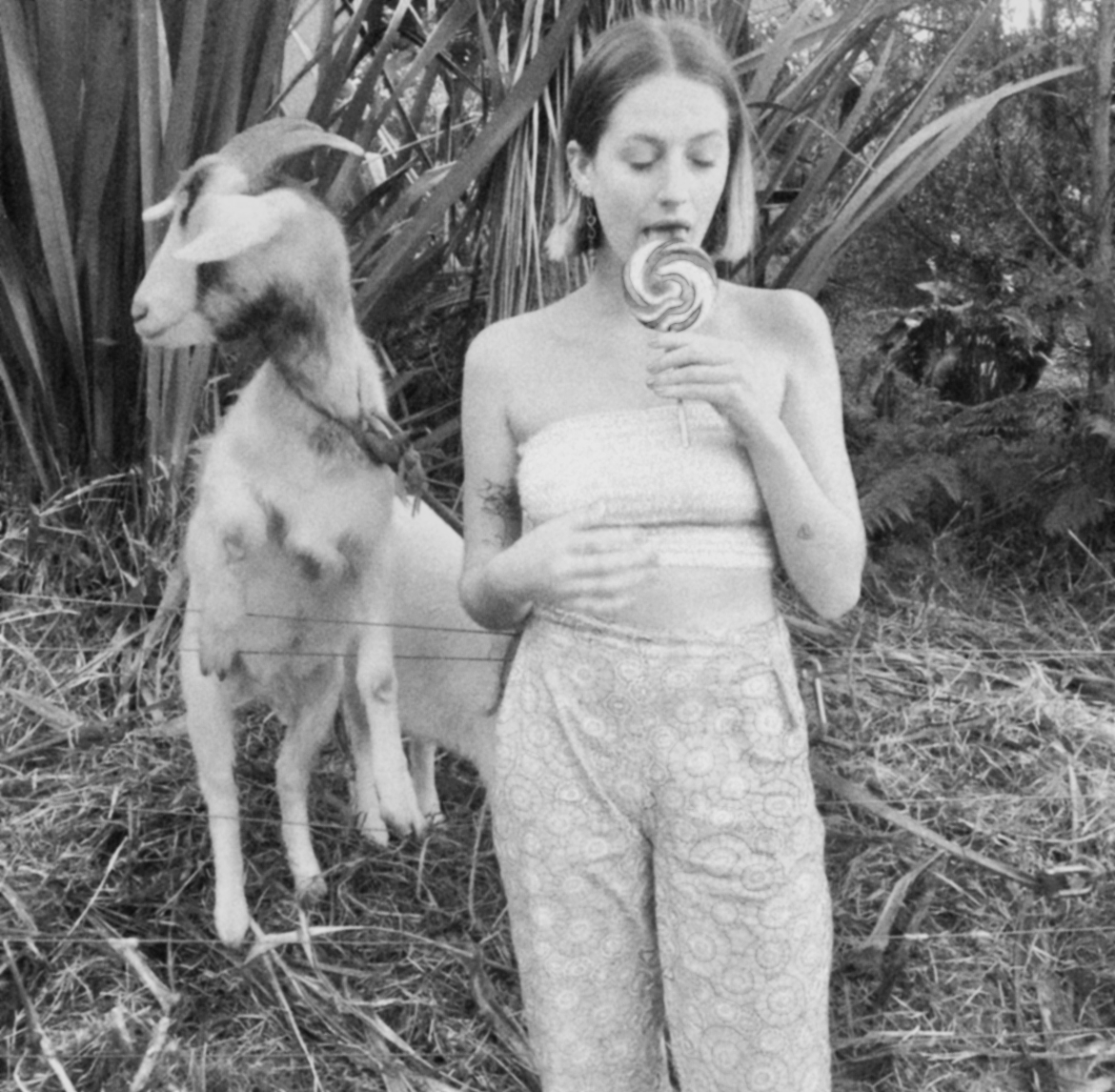
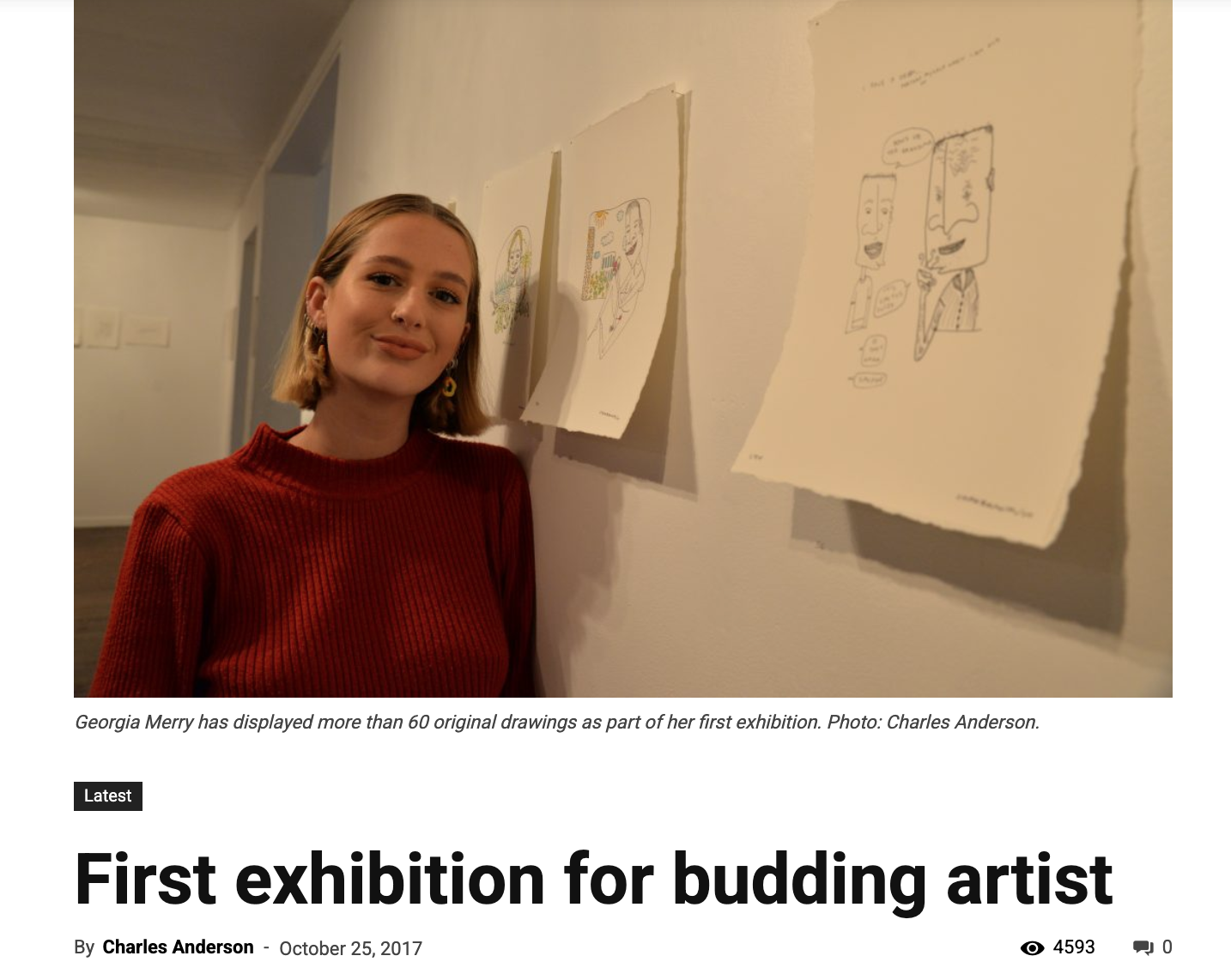
Profile
Georgie was raised by two creative parents from two creative lines, in a small artistic community in the occupied Whakatu region of occupied New Zealand.
Her father Kim Merry, was a mask maker, and disciple of Commedia Del’Arte which strongly influences Georgie’s visual artwork.
Georgie began drawing cartoons in her early teens. Leaving school at an early age and living in a small town, the drawings took up most of her time and attention.
Solitude and ostracism enabled her to focus on her body of work, which lead her into exhibiting work online and in galleries.
These cartoons often run along common threads and themes; marginality, social pressure, the absurdity of industrialisation, top down systems and war; and a reverence for the wisdom of the natural world and the vulnerable.
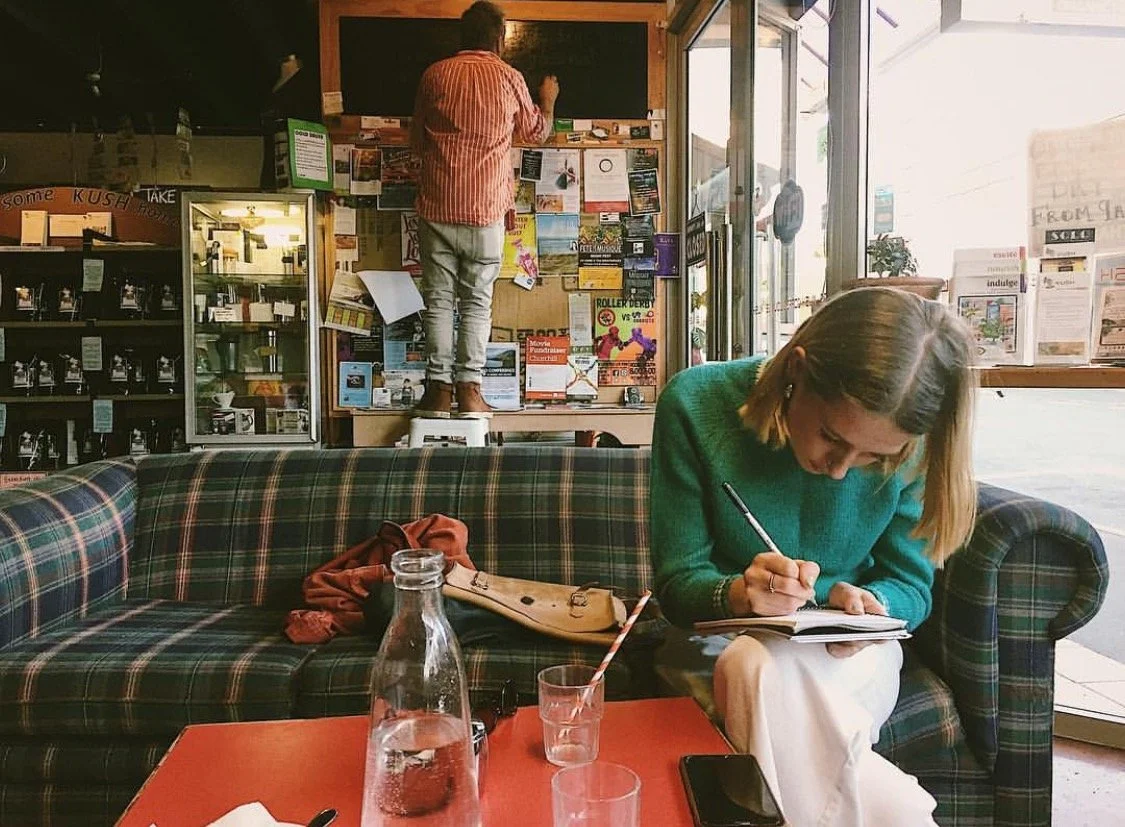
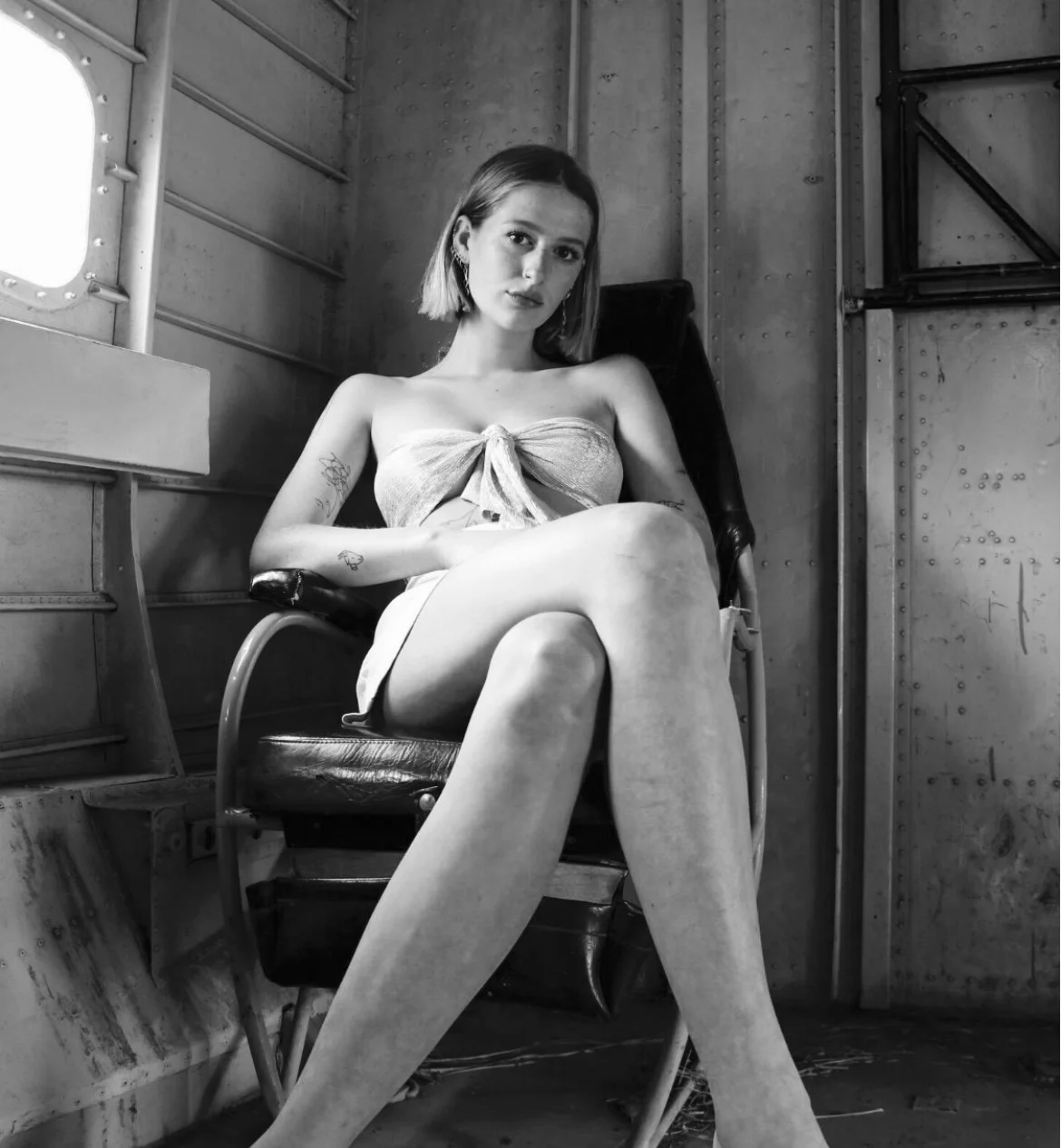
“Cartoons help me to make sense of a lot of things. I think a lot. My relationship with the cartoons can be like a laser working to represent some clear mental image, other times I’ve just got to go liquid and pour out these ideas as fast as I can without being too technical. There’s always an objective standard, even in art. Even when i’m not hitting it I can still appreciate there is one. I love and believe in effort and merit.That being said, art isn’t just striving. Not at all. Individually and collectively art is so much about catharsis and play. It’s a way to connect and to communicate with the wide world even out of solitude, isolation, personal or cultural; it’s a way we can get through what we are in right now; with something to enjoy, remember and contribute.”
“My nana looked out for me as a little girl. She never went to school, not past the age of 8.
I was sent to stay with her a lot when I was that age. My dad died. It was a horrible, lonely time, but I learned a lot. Nana was upright and respectful. She didn’t have money and she didn’t mind, she had very low expenses. She didn’t complain or speak bad about people. She referred to McDonalds as “the restuarant” and she ironed her bed.
She treated me no better or worse than anyone else. She gave me time. She loved me. Never lollies for breakfast; She was firm, there was standards for how you treat everyone. No superior inferior.
My nana showed me what real respect was. I couldn’t act like it was fine just being given orders. I don’t like to see that happen to anyone.
I don’t care if its “procedure”, if you’re overpowering someone, needing their total submission to achieve something; that procedure is wrong, that’s a wrong way of thinking and operating.
Education is a vital thing, but education happens free and engaged, otherwise it’s domination.”
“I got labelled with heaps of crap when I was at school.
People who control more land and resources are afforded more voice in decision making. “And that’s just the way it is. It’s on the state level and the family too.
People in power can make unreasonable and pointless demands, then people who protest them end up on the street, in juvenile detention, mental wards with “behavioural problems” other negative labels, because apparently you’re supposed to just go along.
It’s all about these norms and standards. They think they know how you should be. I’m keen on evolution. That’s not evolution.”